
Why an Older Age Dance Class Isn’t Necessarily the Better Class for Your Child
Why an Older Age Dance Class Isn’t Necessarily the Better Class for Your Child
When parents are choosing a dance class for their child, it can be tempting to think:“If my child joins the older class, they’ll learn more, faster.”
It’s a common thought — but in reality, the best class for your dancer isn’t about age on paper or the number of pirouettes in the routine. It’s about matching your child’s physical, emotional, and developmental needs to the right environment.
At La Petite School of Dance, we design our programs very intentionally so each age group has the tools, activities, and pace they need to thrive. In addition each class is tailored to the participants in that class.
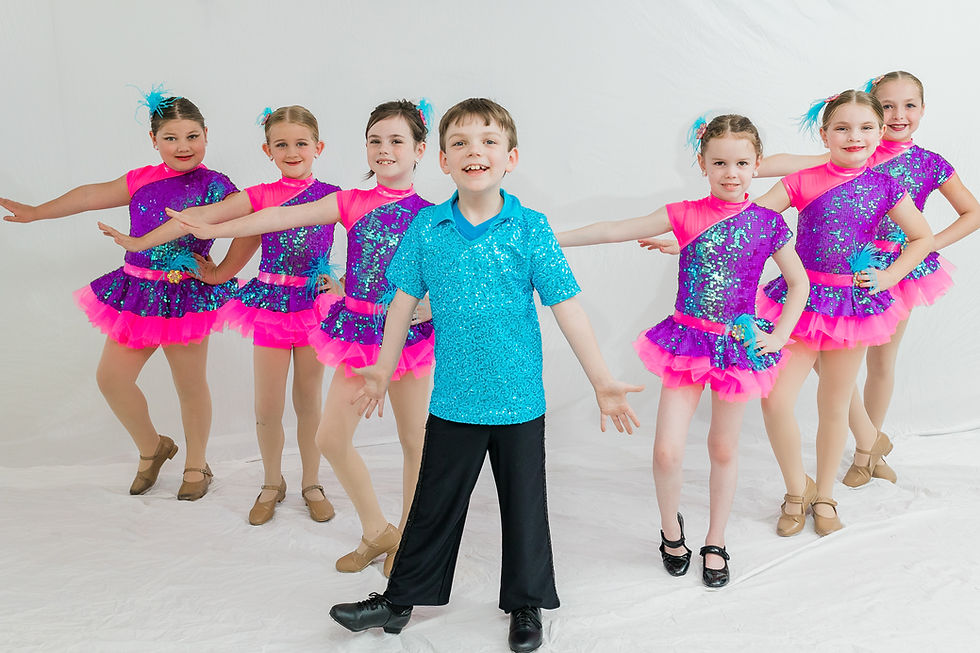
Different Ages, Different Needs
Every stage of childhood comes with its own milestones.
Physically — Young dancers are still developing strength, balance, coordination, and flexibility. There are skills that are not yet safe or recommended until the body has matured enough to perform them without risk of injury.
Emotionally — Younger dancers need shorter bursts of activity, more repetition, and plenty of playful engagement to stay motivated and confident. Older children may handle more sustained practice and complex choreography, but that doesn’t mean they learn “better” — just differently.

It’s Not About “Better” — It’s About “Best Fit”
An older class may move at a pace that skips over foundational skills younger dancers still need to master. This can leave a child feeling frustrated, left out, or overwhelmed — and sometimes, that can chip away at their love for dance.
And here’s a little secret: Older dancers aren’t always better behaved.In fact, younger classes often have more focus because the activities and expectations are tailored to them, not to another age group.

Why Developmentally Appropriate Classes Matter
A developmentally appropriate dance program meets your child right where they are. It ensures:
Safety — Skills are taught in an order that supports healthy body development.
Confidence — Children experience success at their level, building self-esteem.
Engagement — Classes use music, themes, and activities that resonate with their age.
Progress — Dancers learn in a sequence that sets them up for future success, not short-term leaps.
When dancers feel successful and supported, they develop not only technique — but also the joy, discipline, and artistry that last a lifetime.
At La Petite School of Dance, we believe in nurturing the dancer, not rushing the process. Your child will receive what they need to grow as a dancer in the class they are in— and when they do, they’ll step into the next class with the confidence, skill, and excitement to truly shine.


Comments